According to the Skanda-Purana, and other Odia Puranas, Lord Jagannath was formerly worshipped as Sri Neela Madhava by a Savar king, the tribal chief named Viswavasu.
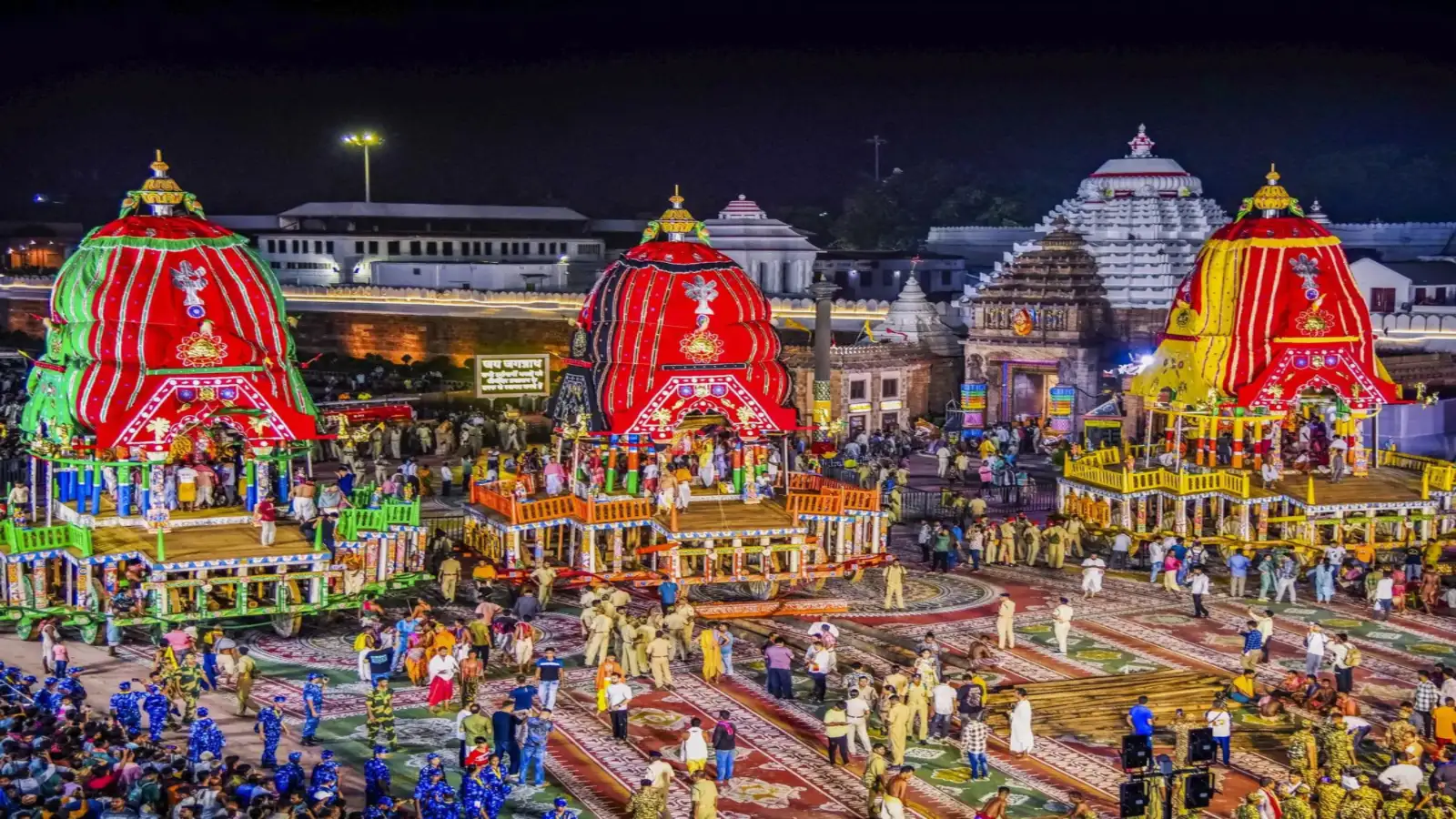
Sri Puri Jaganatha Dham
This tour is a ⭐⭐⭐⭐⭐ rated tour with 1451 guests enjoying the Shubh experience
3 Days
1 State
2 Cities
Odisha : Bhubaneswar ➡️ Puri ➡️ Bhubaneswar
The Origin of the Sri Puri Jagannatha Dham
King Indradyumma was ruling over the Malava side in the Satya Yuga, the age of Truth. He was a great devotee of Lord Vishnu. After knowing about the Lord, King Indradyumna directed a Brahmin priest, Vidyapati to discover the deity, who was worshipped secretly in a dense forest by Viswavasu. After many failed attempts to locate the place, Vidyapti managed to convince Viswavasu’s daughter Lalita to marry him. Post marriage, Viswavasu took his son-in-law blind folded to a cave where Lord Neela Madhava was worshipped. Vidyapati was intelligent; in order to identify the path, he dropped mustard seeds on the ground, while travelling. The mustard seeds sprouted into plants in a few days, which identified the way to the cave later on. On hearing the good news from him, King Indradyumna proceeded instantly to Odra desha, now known as Odisha, on a pilgrimage to visit the Lord. But on arrival he found the deity had left. The king felt dejected but was adamant not to return without having a darshan of the Lord. He decided to perform fast unto death at Mount Neela, then a celestial voice cried ‘You shall see him.’
Subsequently, the king performed one thousand Ashwamedha Yajna (sacrifice) and built a magnificent temple for Vishnu. The first Murti of Lord Narasimha was brought by Narada which got installed in the temple. Later, during sleep, the king got an image in his dream of Lord Jagannath, Balabhadra, Subhadra and Chakra Sudarshan. A celestial voice directed him to bring the massive dark coloured, Divine Log of wood floating in the seashore and make idols out of it.
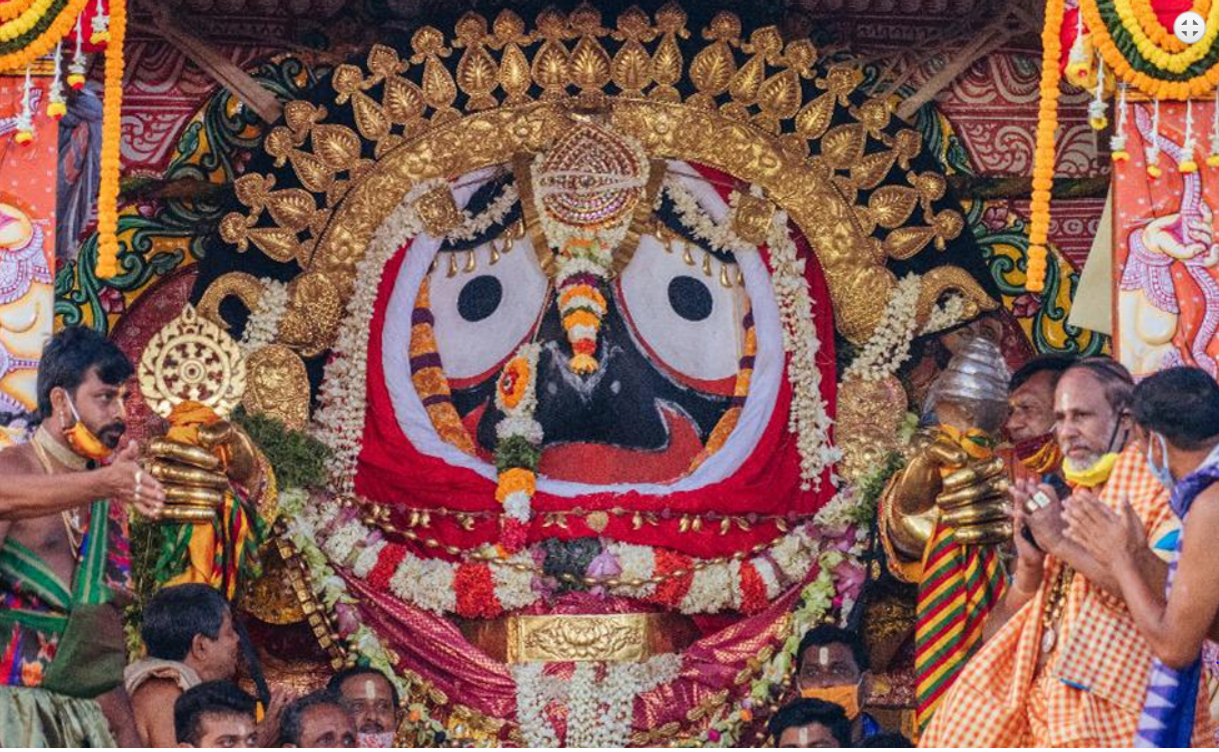
Understanding the Sri Puri Jagannatha Temple
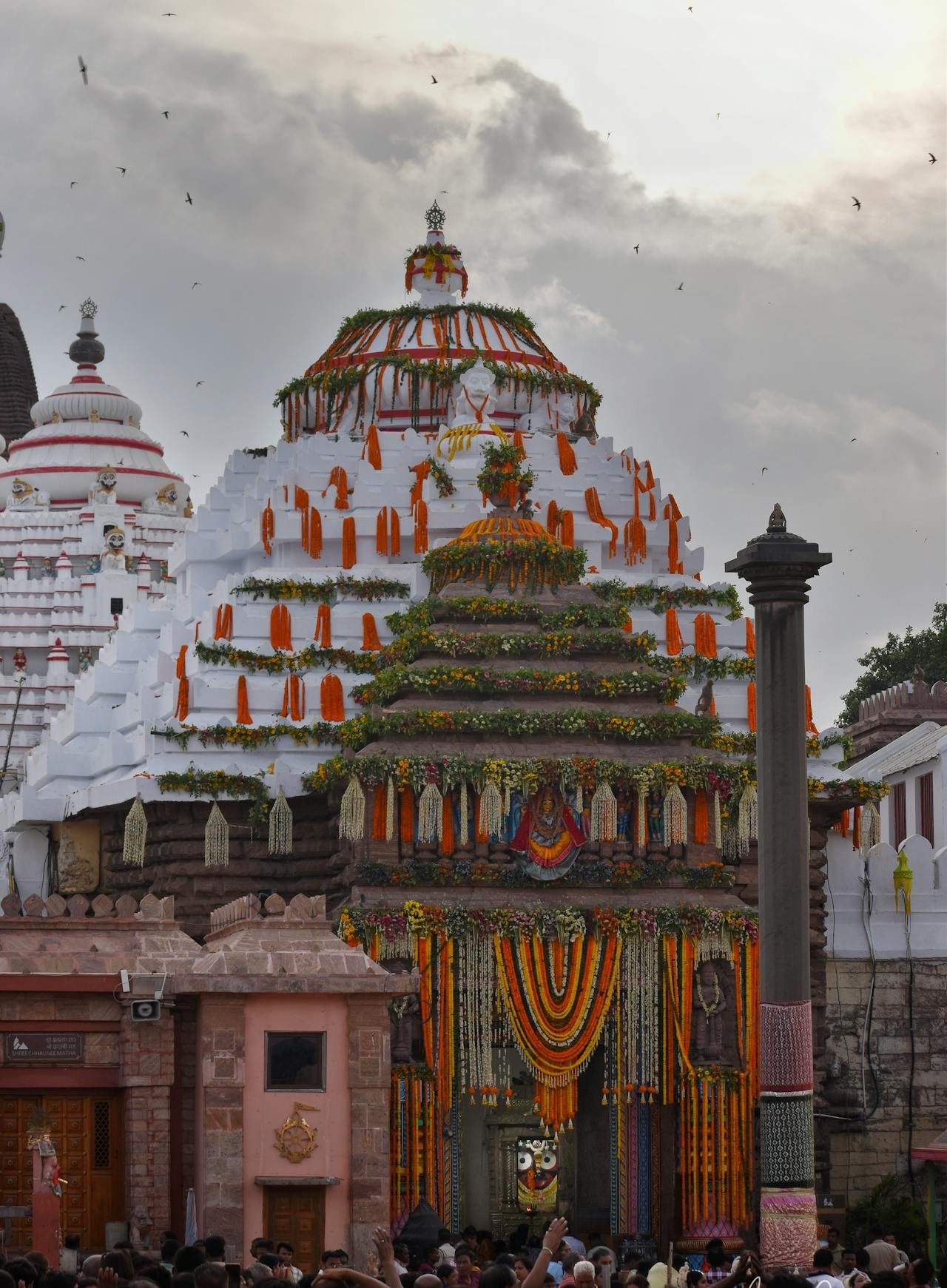
The temple is situated in the seaside city of Puri, Odisha, Orissa State. This temple constructed by King Indradyumna is considered to be the tallest monument of the world with 1,000 cubits high and also the most beautiful Temple for Lord Vishnu.
It follows the Kalinga architectural style, a combination of Rekha and Pidha styles. Its architecture is defined by a towering spire over the sanctum called the Shikhara, a structure enclosed by a fortified wall – Meghanada Pacheri and four main components: the Deula/Vimana (sanctum), Jagmohan (hall for audiences/dancing), Natmandapa (hall for dancing), and Bhog Mandapa (hall for offerings). The temple complex includes smaller shrines and is constructed from sandstone and laterite, with intricate carvings.
Sri Jagannath Ji, Sri Baladev Ji and Mata Subhadra are worshipped on the Ratnavedi along with Sudarshan chakra. All the deities are carved out of dark coloured Neem wood.
Poojas and Rituals
King Indradyumna then introduced the daily and special festive rituals of the Lord, as per scriptures, which continues till date.
Daily rituals
Morning rituals include: Dwaraphita at 4:30 am where the temple doors are Open. Followed by Mangala Arati at 5:30 am is performed as an auspicious lamp ceremony to awaken the deities
Mailam, where the previous night’s attire is removed and the deities are cleaned. Abakasha, Morning ablutions are performed, including cleaning the deities’ teeth. Followed by Surya Pooja and Gopal Ballav Bhoga, a breakfast offering of sweets, fruits, and curd is made. Sakala Dhupa is between 9:00 am to 10:00 am, wherein the main meal, called Raj Bhoga, is offered.
Afternoon rituals include: Bhoga Mandap and Madhyahna Dhupa where food offering is made in the Bhoga Mandap Hall.
Evening rituals include: Sandhya Arati is at 6:00 pm to mark the transition to night. Followed by Sandhya Dhupa and Badasinghara Besha, where the deities are adorned with floral and silken attire for the evening.
Night rituals include: Badasinghara Dhupa at 10:30 pm, for the final food offering of the day. Then continued to Khata Seja Lagi & Pahuda where the deities are prepared for rest, and the temple doors are closed for the night.
Special and other rituals include Dwarapala Pooja and Pancha Upachara Pooja.
Saptami, Ashtami, and Navami of Durga Pooja days are special.
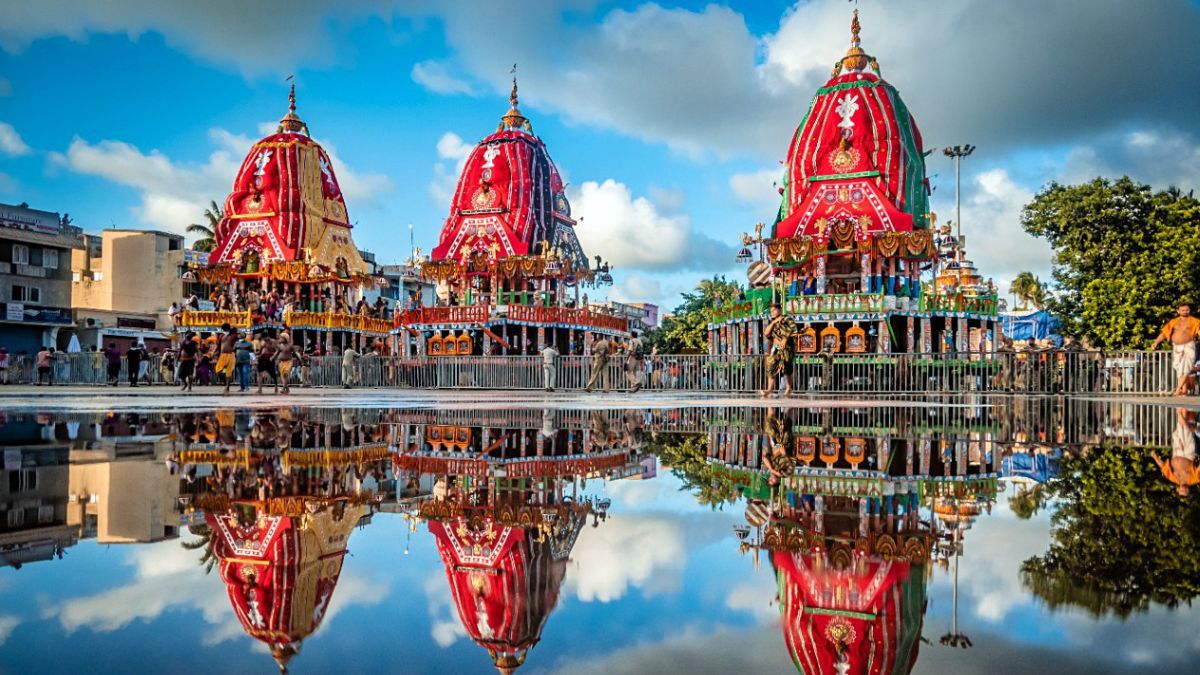
Ratha Yatra, the famous annual chariot festival in June-July involves the deities being pulled on large chariots. Key rituals include Pahandi Bije (procession of deities onto chariots) and Chhera Pahara (sweeping of the chariots by the Gajapati King)
Itinerary
Orissa have places of leisure and spirituality. A combination circuit would be the most ideal. Places of leisure are marked below. Have a look to get a picture.
You could also select places of your choice and we would love to tailor the itinerary for you!
Pick-up from airport/railway station. Visit Shanti Stupa in Dhauli hills and Sun temple in Konark. Reach Puri by noon. Evening, visit the famous Puri Jaganath Temple. Free for shopping in the late evening.
Night stay: Puri
After breakfast, proceed to Chilika Lake, Pipili village, Udayagiri & Khandagiri caves.
Later proceed to Bhubaneshwar. Evening is free.
Night stay: Bhubaneshwar
In the morning, visit Lingaraj temple dedicated to Lord Shiva after Darshan, proceed to visit mukteshwar temple. Later proceed to Bhubaneswar airport / railway station.
Map View

How to reach?
Orissa is accessible by all modes of transport – Flight, train, bus and car. We are happy to house your suitable means to travel. The nearest airport is Bhubaneswar and nearest train station is Puri Railway Station.

Best time to visit
Orissa experiences: Hot summers from March to May, monsoon from June to August, winters from September to February. Orissa is best visited between August to March.

Price on Request
For larger groups, the per-person cost reduces considerably. We welcome you to book our packages with family and friends.
Related Char Dhams in Shubh Teerath
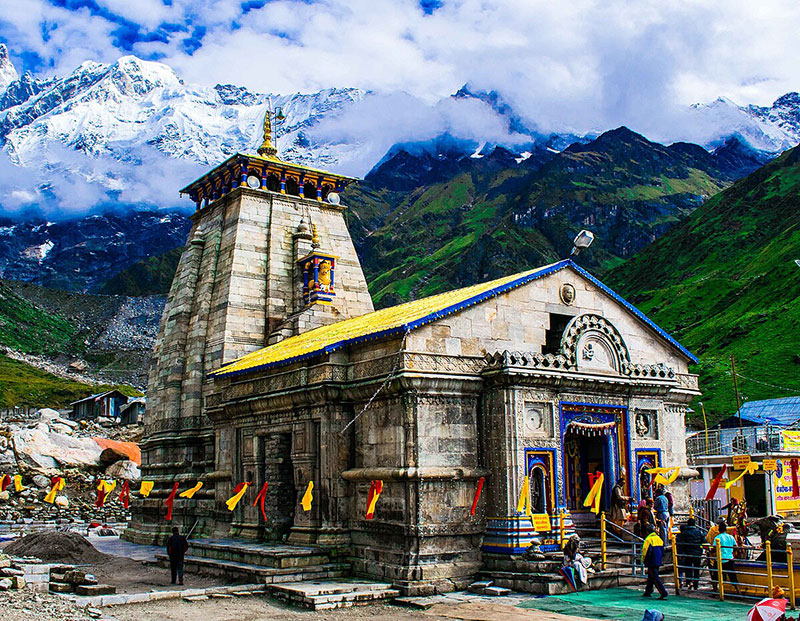
Sri Kedarnath Jyothirlinga
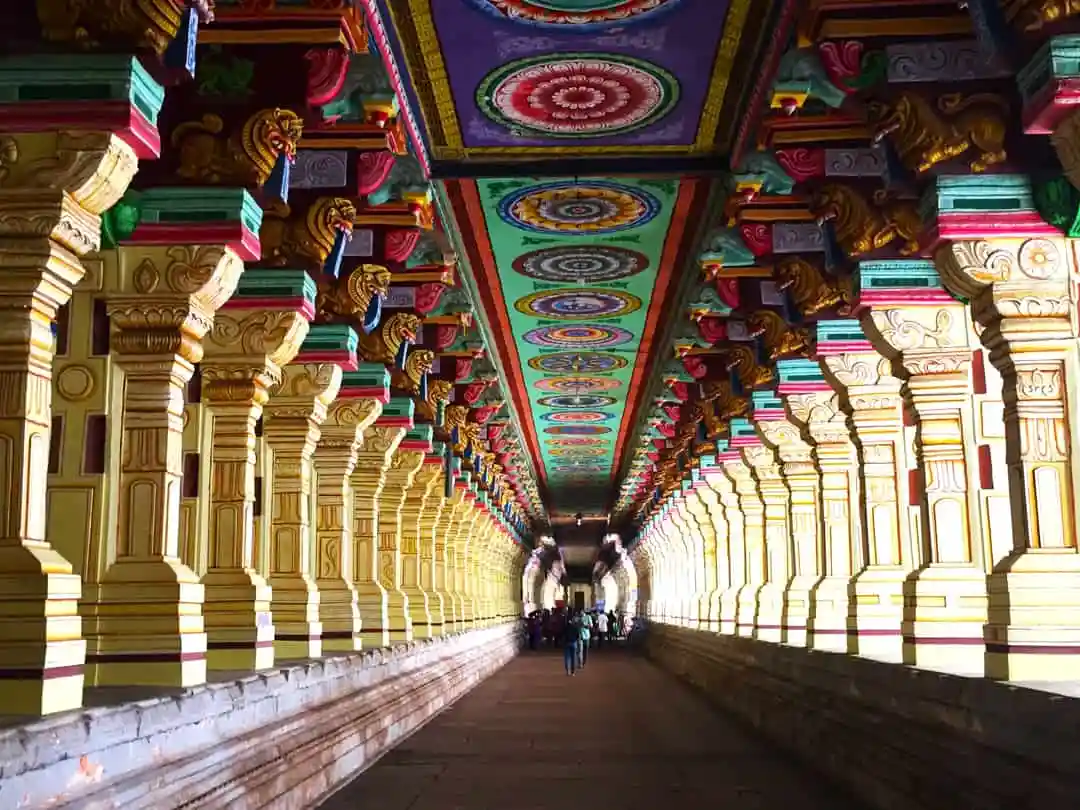
Sri Ramanathaswamy Dham
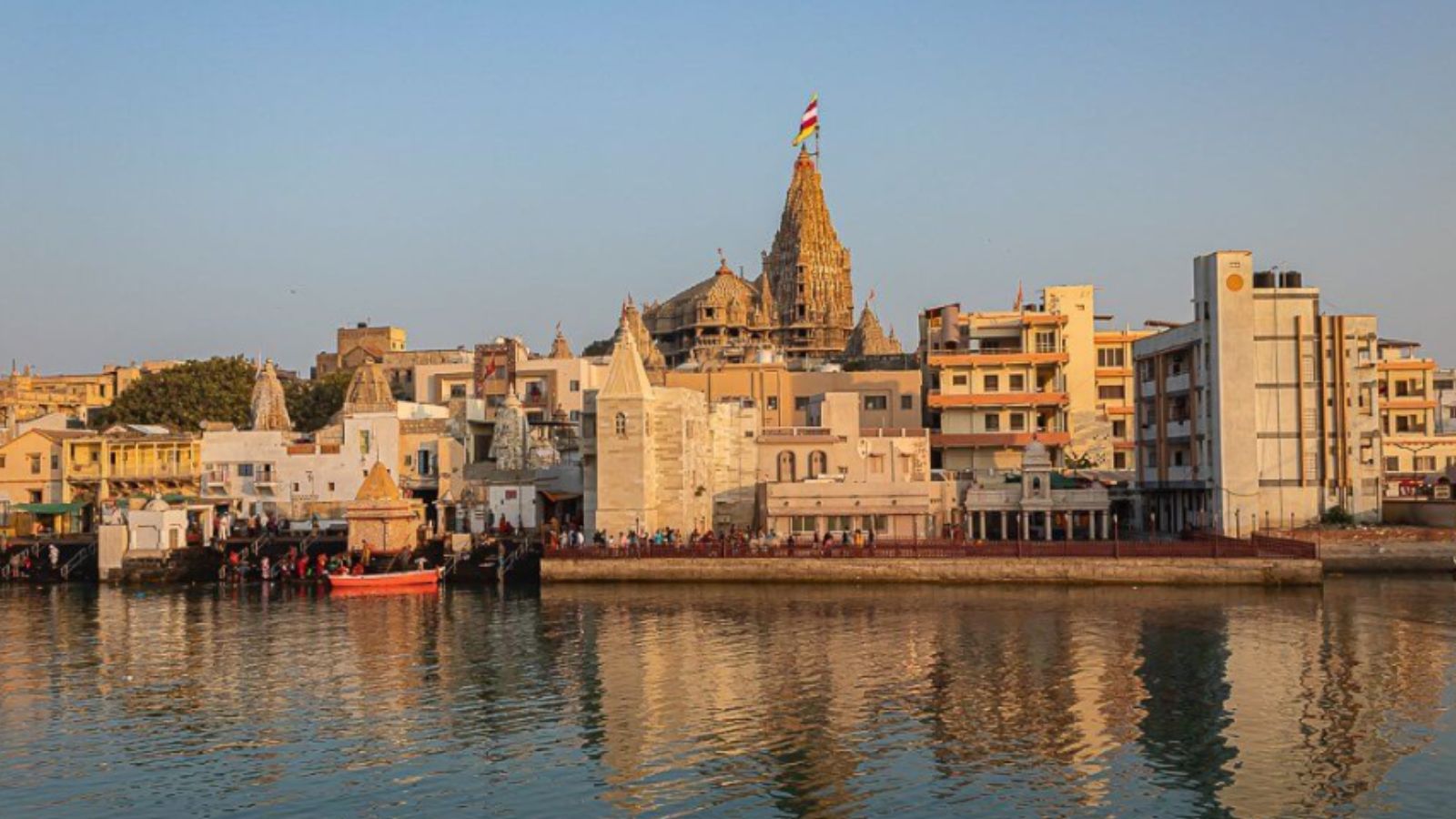
Sri Dwaraka Dham
Get in Touch
Why choose Shubh Prayan?
0%
Customer Satisfaction Rate
0
years of Trusted Service
0+
Trips Successfully Completed
Request a Callback
