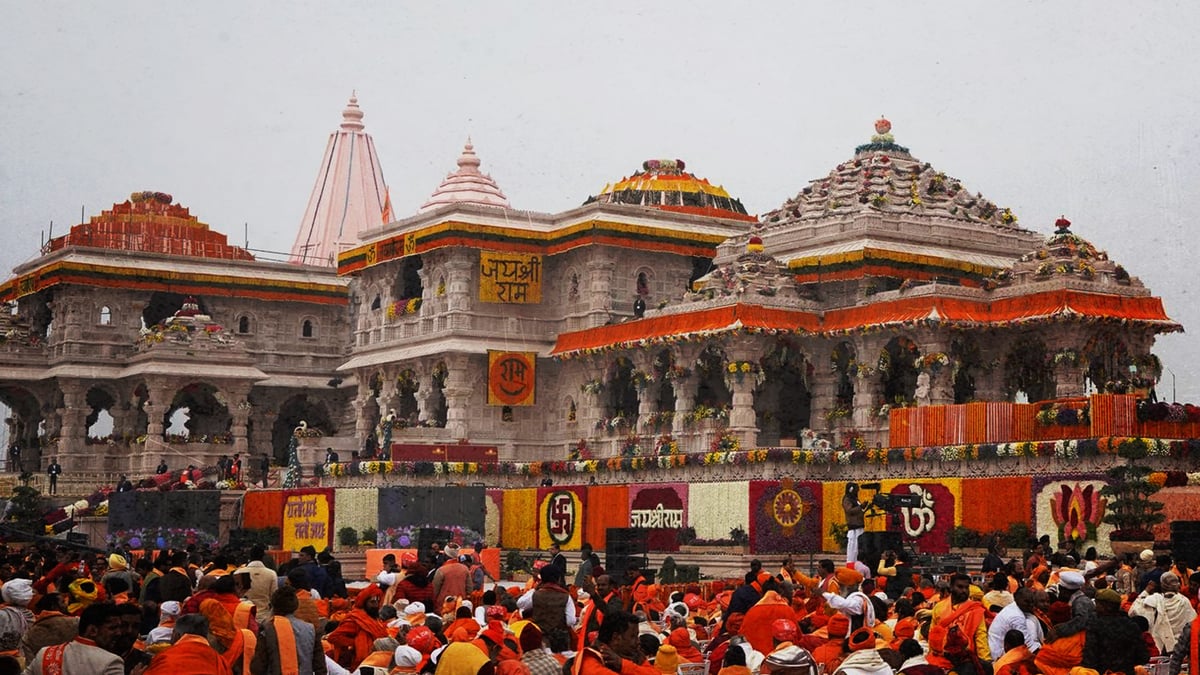
In Hinduism, Sri Rama is a revered deity, recognized as the seventh avatar of the god Vishnu. The sacred epic of Ramayana, describes details of his life and adventures. He is depicted as an embodiment of honor, righteousness, and virtue. Central to the narrative is Sri Rama’s childhood, his valour, his exile from the kingdom of Ayodhya, the abduction of his wife Sita, the war between Sri Rama and the demon king Ravana, and his ultimate victory symbolizing the triumph of good over evil.
Ayodhya
This tour is a ⭐⭐⭐⭐⭐ rated tour with 496 guests enjoying the Shubh experience
5 Days
1 State
3 Cities
Uttar Pradesh : Lucknow ➡️ Ayodhya ➡️ Varanasi
All About Sri Rama
Sri Rama is considered as an epitome of best human natures with ideals of duty, morality, and devotion. Hence, he is famously called in the title Maryada Purushottama, or “the ideal man.” His relationships with his family, notably as a devoted son and husband, further exemplify these qualities. Hindus consider Rama as a mythological figure, whose life lessons remain relevant in contemporary society. His worship continues across India, Nepal, and other parts of Southeast Asia, highlighting his enduring influence in the spiritual lives of millions.
The Ram Mandir
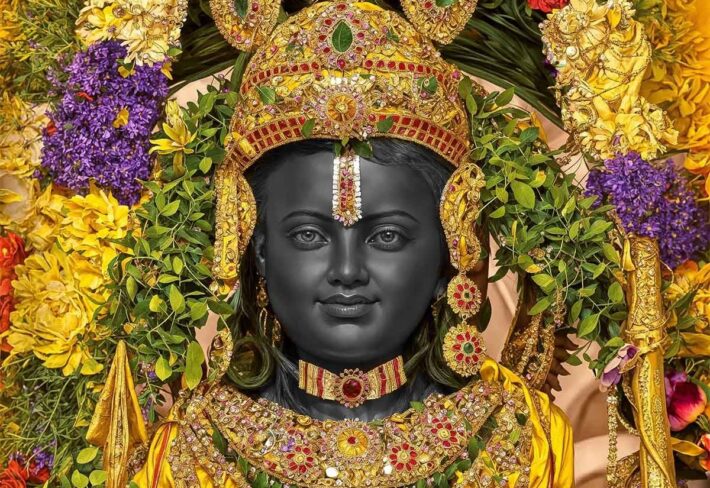
The Ram Mandir temple in Ayodhya, stands on the site where Hindus believe Sri Rama was born. He is worshipped in the form of Ram Lalla, the divine hero depicted as a child. The idol represents Lord Rama’s five year old self symbolising purity and serenity. Also, inviting devotees to connect with spirituality in it’s purest form.
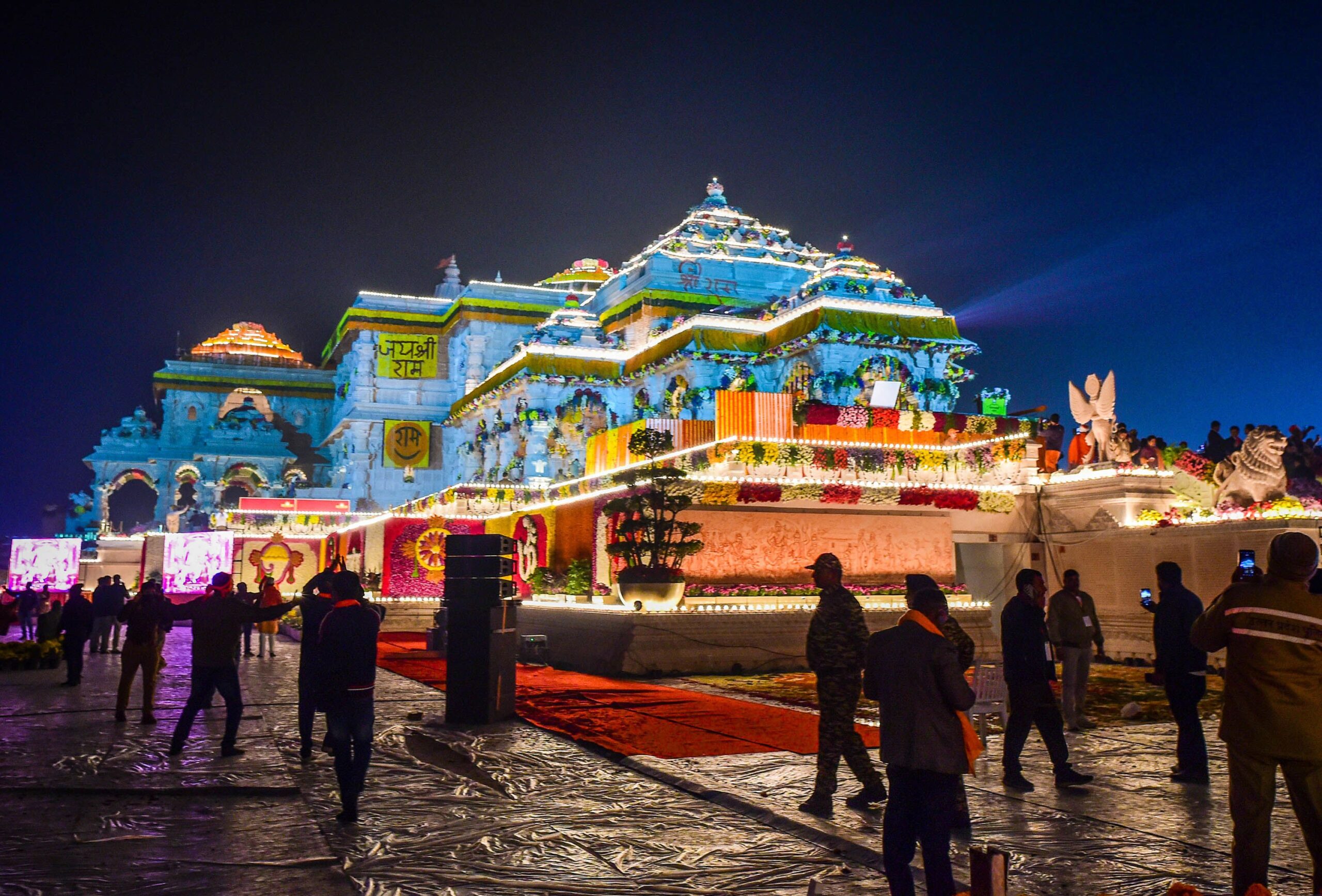
After a long reign of various socio-political disputes, the current temple was resurrected in January 2024. The temple follows the ancient Nagara style of temple architecture. The temple is 380 feet long, 250 feet wide and 161 feet high. It is supported by massive 392 pillars and 44 doors with 3 stories. To endure earthquakes, climatic changes and increase the durability to a millennium, no iron – steel – cement was used for the temple’s construction. With a 47 layer engineered soil base, the temple replicates a lock and key mechanism using granite and sandstone. Hence it is mentioned as an architectural masterpiece.
The intricate carvings on the pillars all across the temple glorifies the era of Lord Rama in Ayodhya
Poojas and Rituals
The Ayodhya Ram Temple generally opens around 6:00 AM and remains accessible to devotees until 7:00–8:00 PM, depending on the season and special occasions. Morning darshan usually takes place from 7:00 AM to 11:30 AM, followed by an afternoon break from 12:00 PM to 2:00 PM for Bhog offerings. Evening darshan resumes from 2:00 PM to 7:00 PM. Important daily rituals include the Shringar Aarti in the morning around 6:30 AM, the Bhog Aarti at 12:00 PM, and the Sandhya Aarti in the evening around 7:30 PM. Timings may vary on festival days and across seasons, so visitors are advised to check locally for the latest schedule.
Special Ceremonies & Festivals celebrated
- Ram Navami: Celebrates Lord Ram’s birth with special prayers.
- Diwali (Deepotsav): City-wide celebrations with massive diyas.
Itinerary
Uttar Pradesh, is the most spiritual state of India. The circuit covers Varanasi, Prayagraj and Ayodhya. Have a look to get a picture.
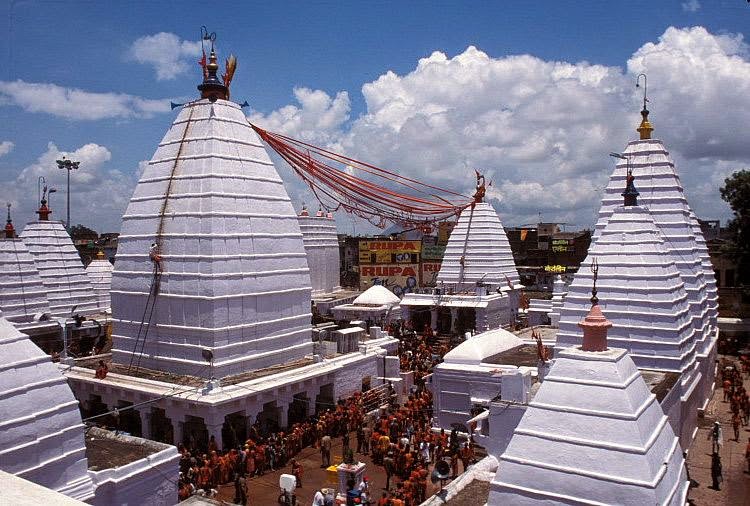
Also, this trip can be combined with a holy visit to Sri Baidyanath Jyothirlinga at Deogarh in Jharkhand.
You could also select places of your choice and we would love to tailor the itinerary for you!
Travel to Ayodhya from Lucknow airport. Visit the Hanuman Garhi, Ram Mandi, Kanak Bhawan & Dashrath Bhawan. In the evening, witness the Aarti at Sarayu River.
Night stay: Ayodhya.
As you take a journey to Varanasi, en-route visit Prayagraj, the Triveni Sangam and Swaraj Bhavan. After the holy visit to the confluence of three rivers, continue the journey to Varanasi.
Night stay: Varanasi
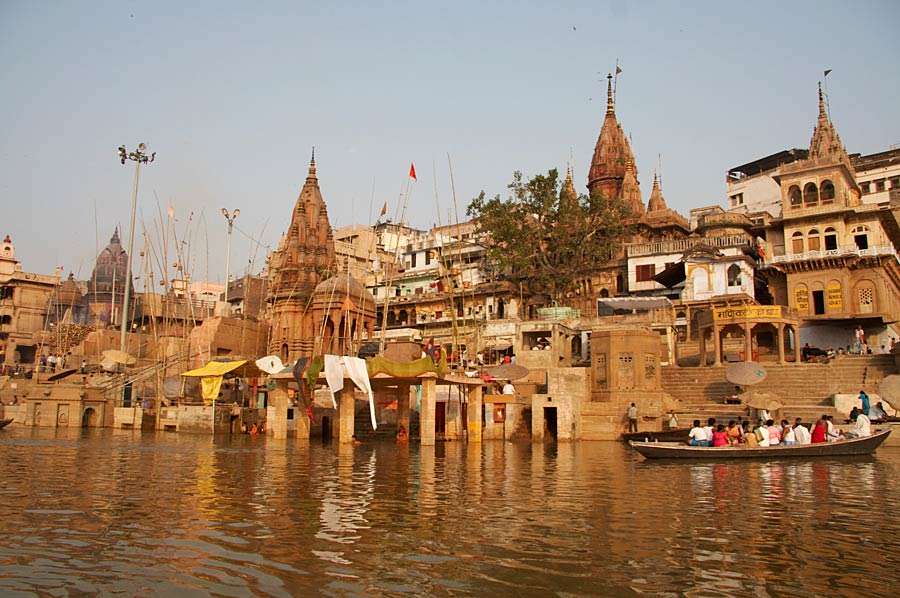
In the morning, visit Sri Kashi Vishwanatha, Maa Vishalakshi & Annapoorneshwari Temple. Post lunch, take a boat ride covering all the ghats. Witness the famous Ganga Aarthi.
Night stay: Varanasi
In the first half, visit Sankat Mochan Hanuman temple, Tulsi Manas temple & Bharat Mata temple & Kaal Bhairaveshwara temple. Also, continue to the famous Banaras Hindu University. Post lunch free for shopping and exploring the local delicacies.
Night stay: Varanasi
In the early morning, be an attendee to the morning Aarthi at AssiGhat – Subah-e-Banaras. Have a day trip to BodhGaya. By evening, take a flight or train back to hometown.
Map View

How to reach?
Uttar Pradesh is accessible by all modes of transport – Flight, train, bus and car. We are happy to house your suitable means to travel. The nearest airport is Lucknow and Varanasi. Nearest train station is Ayodhya Dham Railway Station and Varanasi Junction.

Best time to visit
UP experiences: Hot and dry summers from March to June, Annual rainfall from July to October, Winters from November to February. UP is best visited between August to March.

Price on Request
For larger groups, the per-person cost reduces considerably. We welcome you to book our packages with family and friends.
Get in Touch
Why choose Shubh Prayan?
0%
Customer Satisfaction Rate
0
years of Trusted Service
0+
Trips Successfully Completed
Request a Callback
