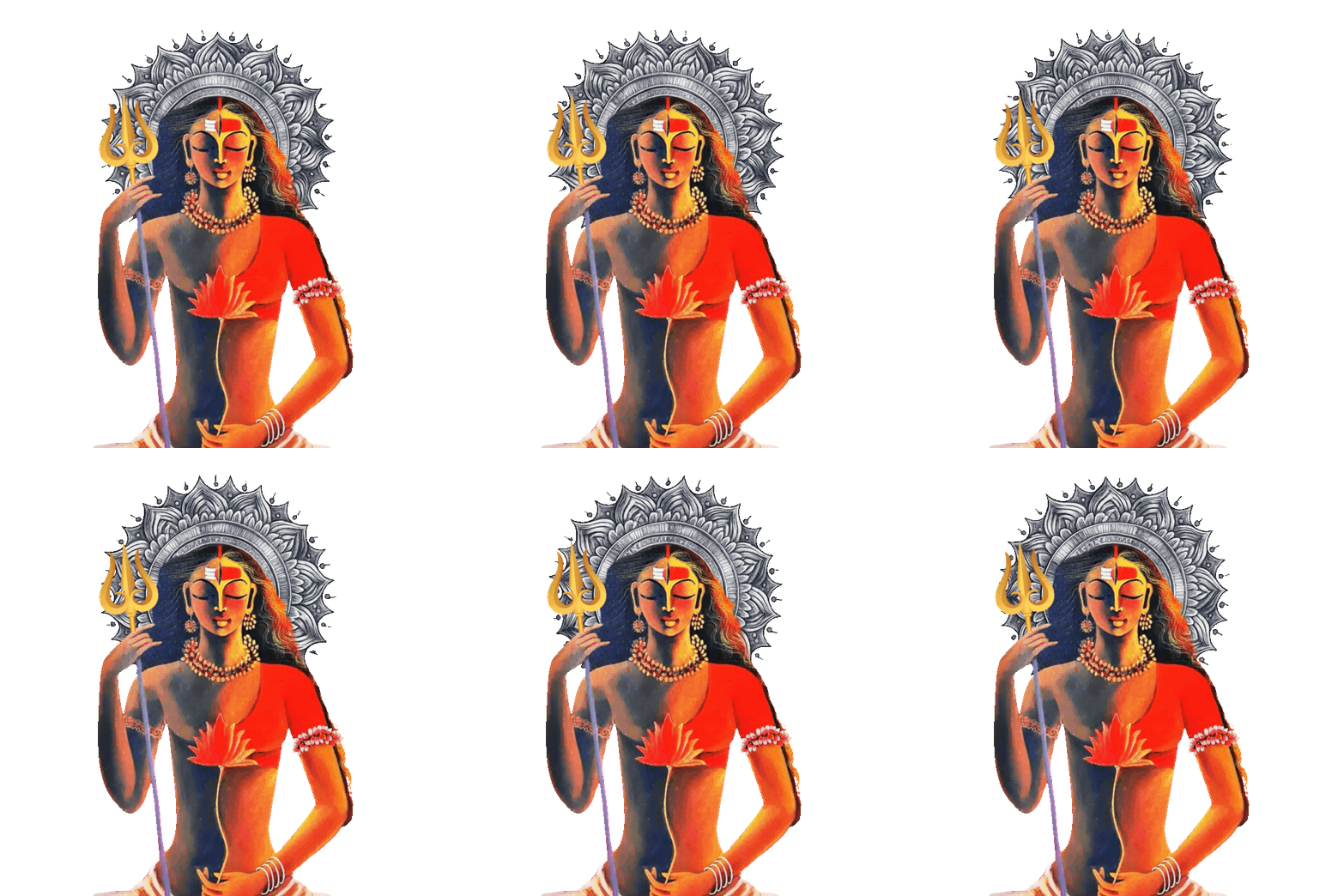
The Shiva-Shakthi Communion
Shiva – Shakti in Hinduism is similar to Yin – Yang energies in Taoism. They serve as powerful archetypes for understanding the fundamental duality of existence and the importance of integrating opposing forces to achieve wholeness and harmony, both within oneself and the universe.
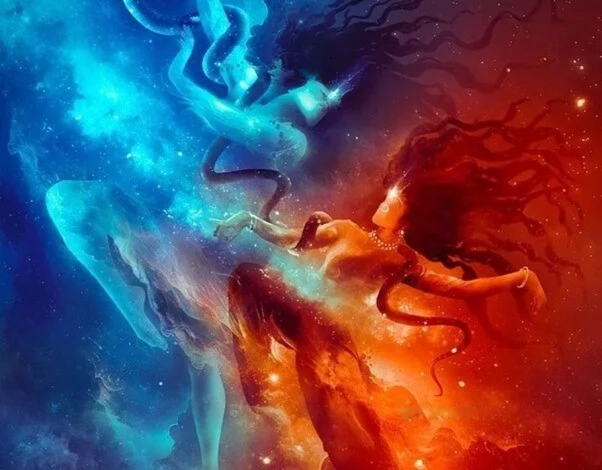
Shiva represents – the masculine, the consciousness and the stillness
Shiva is the static potential
Jyotirlingas are divine consciousness, as brilliant pillars of light, symbolizing infinite power. Each Jyotirlinga embodies specific divine masculine energies that resonate with the unique traits, challenges, and spiritual needs of the 12 zodiac signs. Piligrimage to the 12 temples, help in finding deeper connection and resolution of thoughts through focused worship
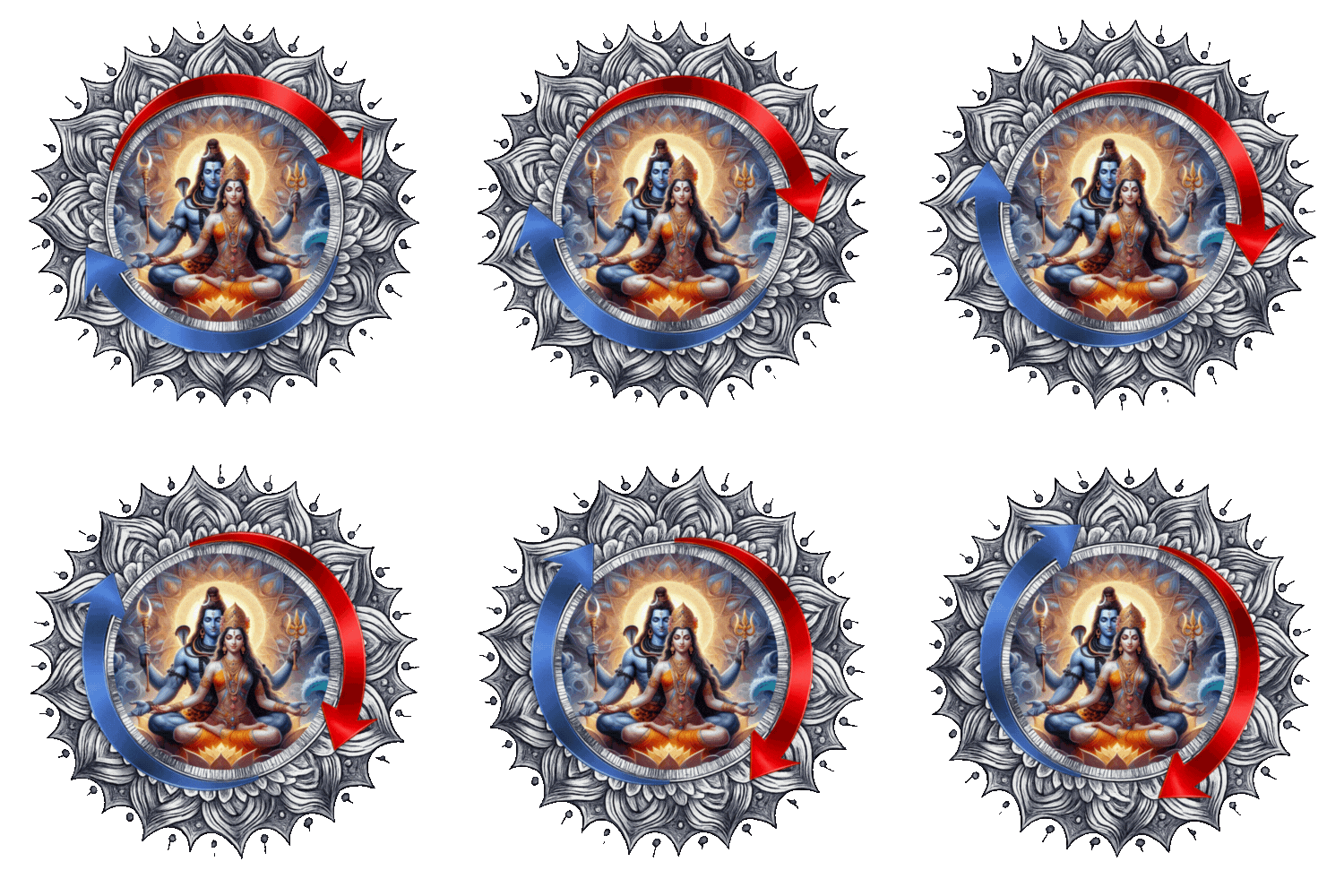
Shakthi represents – the feminine, the energy and the creation.
Shakthi is the dynamic creation
Shakti Peethas are centers for spiritual empowerment, self-discovery, and to connect with the divine feminine that governs creation, celebrating womanhood as sacred, healing emotional wounds, and finding strength. These pilgrimages offer purification, clarity, and a profound sense of interconnectedness with the Goddess, fostering inner transformation and recognizing feminine power in its many forms.
Their union, often seen in deities like Ardhanarishvara (half Shiva, half Parvati), signifies that consciousness needs energy to manifest, and energy needs consciousness for purpose, a concept central to yoga, tantra, and spiritual realization.
He is consciousness. She is energy. Without her, he is still. Without him, she is wild. Together, THEY ARE LIFE.
Emphasising the importance of the spiritual journeys to Jyothirlingas along with Shakthi Peetas for perfect balance, transformation, and the path to spiritual enlightenment (Moksha).